Missed Open Enrollment? The 60-Day Window That Can Still Get You Covered
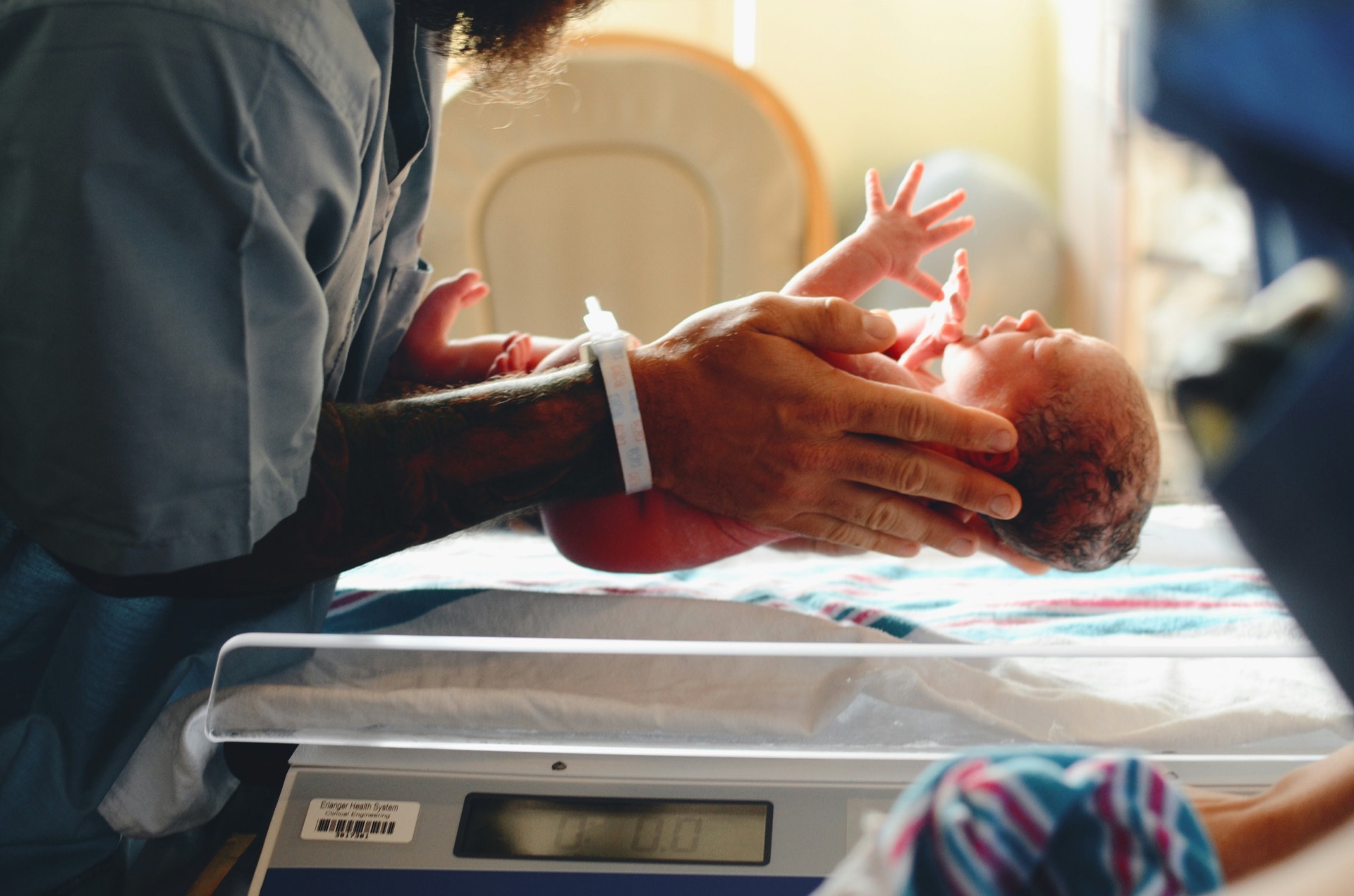
Most people learn how health insurance enrollment actually works at the worst possible moment: right after they lose a job, have a baby, or move across the country. Marketplace coverage isn't something you can buy on any random Tuesday. Outside the annual Open Enrollment window, you need a Special Enrollment Period (SEP), and it's gated behind a clock that's usually already running before you realize it.
What a Special Enrollment Period actually is
Open Enrollment is the once-a-year stretch (typically starting November 1) when anyone can sign up for a Marketplace plan. A Special Enrollment Period is the exception: a limited window that opens when a qualifying life event changes your situation, letting you enroll in (or switch) a plan outside that annual window.
The critical detail: an SEP is not automatic and not open-ended. You have to claim it, usually prove it, and you have to move fast.
What counts as a qualifying life event
- Losing health coverage: job loss, aging off a parent's plan at 26, losing Medicaid eligibility, or a plan that ends. Note: voluntarily dropping coverage, or losing it for not paying your premiums, generally does not count.
- Household changes: getting married, having or adopting a child, divorce that ends your coverage, or a death in the household.
- Moving: a permanent move to a new ZIP or county with different plan options. A vacation doesn't count, and you generally must have had coverage before the move.
- Other qualifying changes: becoming a U.S. citizen, leaving incarceration, or certain income changes that affect the help you qualify for.
The 60-day window: where most people get burned
For most qualifying events you get 60 days from the date of the event to enroll. Miss it, and the door stays shut until the next Open Enrollment.
One nuance: if you're losing coverage, your window typically opens up to 60 days before the loss and runs 60 days after. That means you can line up a new plan before there's ever a gap. That matters, because coverage usually starts the first of the month after you pick a plan.
The mistake we see constantly: someone waits until they actually feel uninsured, then discovers the deadline passed weeks ago and ends up going without coverage for months.
Be ready to prove it
The Marketplace will usually ask for documentation: a letter from your employer or insurer showing your coverage end date, a marriage or birth certificate, or proof of a new address. Upload it promptly. Your plan can be delayed or even canceled if you don't.
Two exceptions
Medicaid and CHIP have no enrollment window at all. If your income qualifies you, you can apply any day of the year, and coverage can start right away. Check this first — plenty of people who assume they've missed their chance actually qualify for Medicaid.
Second, low-income enrollment opportunities come and go from year to year, so before you assume you're locked out, check the current rules.
What to do if you think you qualify
Don't wait for the paperwork to feel real. Start the application, select your event, and get your documents uploaded inside the 60 days. If cost is the thing holding you back, read our guide to cost-sharing reductions first: most people who qualify for a Silver plan discount never claim it.
You can also estimate your monthly cost, request a personalized quote, or browse our health insurance FAQ. Confirm the current details on the official pages below before you enroll.
Sources
- HealthCare.gov: Special Enrollment Periods
- HealthCare.gov: Qualifying life event (glossary)
- HealthCare.gov: Getting Medicaid & CHIP
Keep reading: Why your 2026 premium jumped — and 6 ways to lower it · Missed Open Enrollment? What you can still do · Get a free coverage quote